Want to learn more about our products and solutions for datacenters? Visit our dedicated datacenter page:
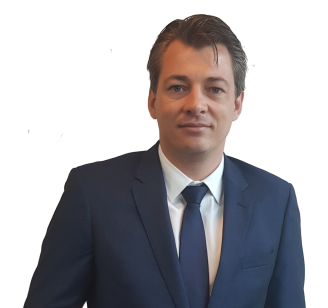
From technical expertise to logistical planning, the project reflects the Belgian team's approach to doing business, as Steve Vandermeulen explains:
“No frills, straightforward and honest, with business built on trust. At the end of the day, we're simply trading pipes.”
– Steve Vandermeulen, Managing Director, Van Leeuwen Belgium
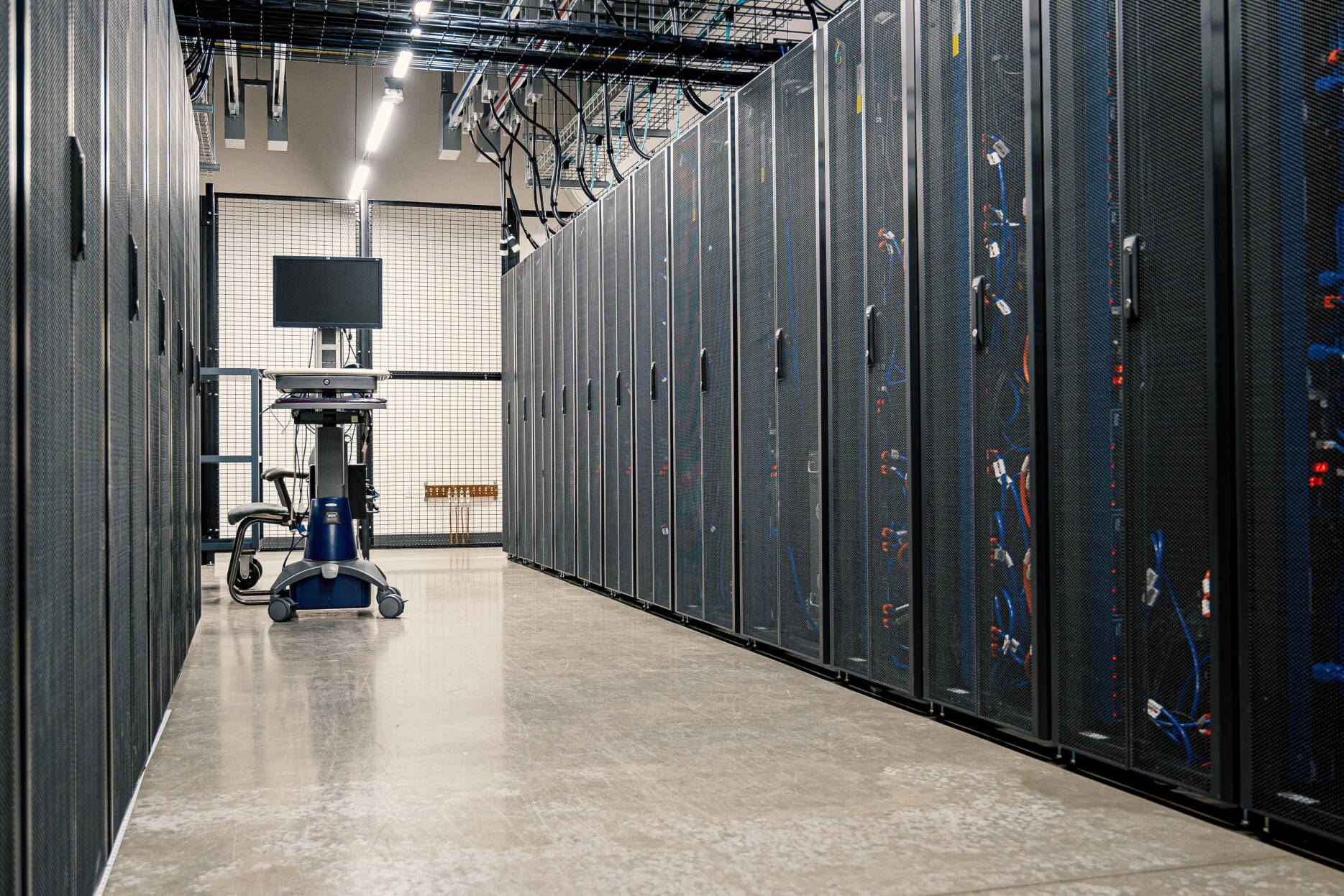
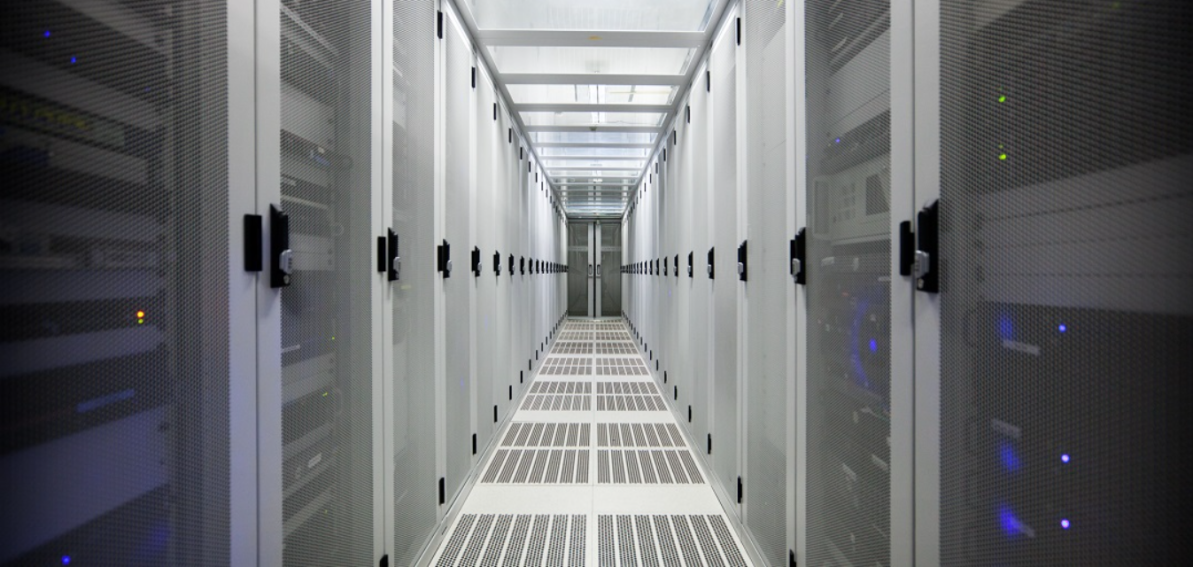
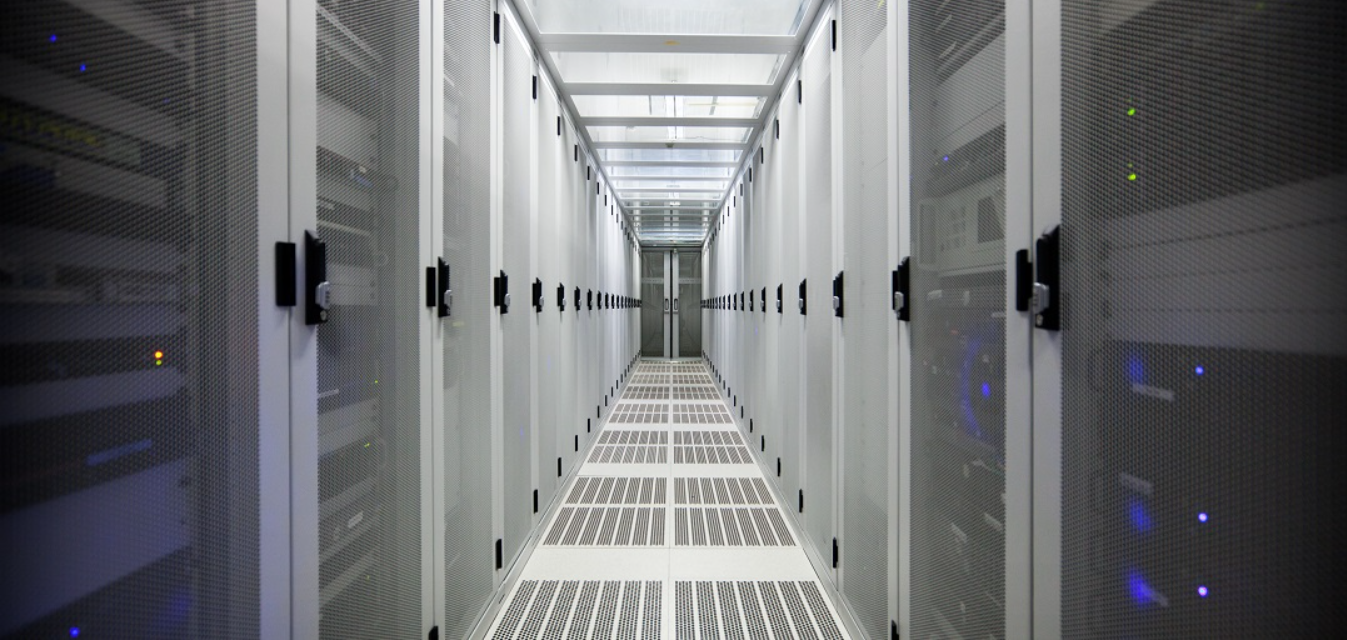
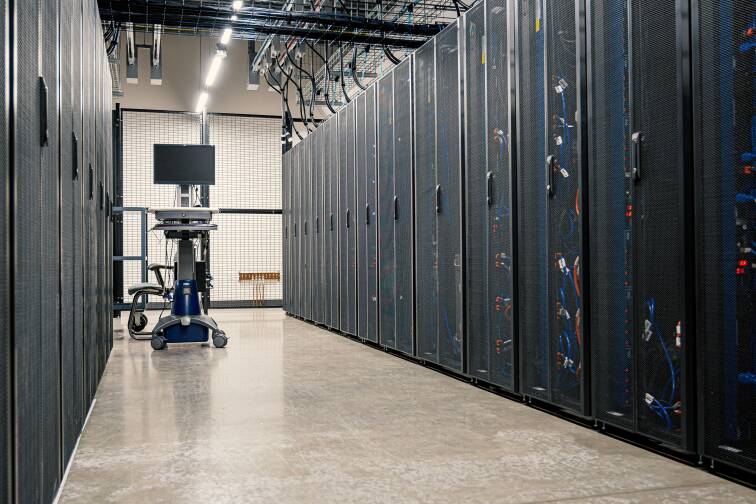
The pipes will be used in a Microsoft datacenter’s cooling infrastructure. With the growing demand for AI computing capacity, reliable energy supply and efficient cooling systems are becoming increasingly important. Finland offers favorable conditions for both, thanks to its cold climate and access to low-carbon electricity, including nuclear power. However, the low temperatures also bring specific technical requirements, with our materials needing to be tested at temperatures as low as -50°C.
The project started earlier this year with an enquiry for approximately five kilometers of large-diameter pipes. As the project developed, technical specifications changed several times, requiring our Belgian team to continuously adapt the proposed solution.
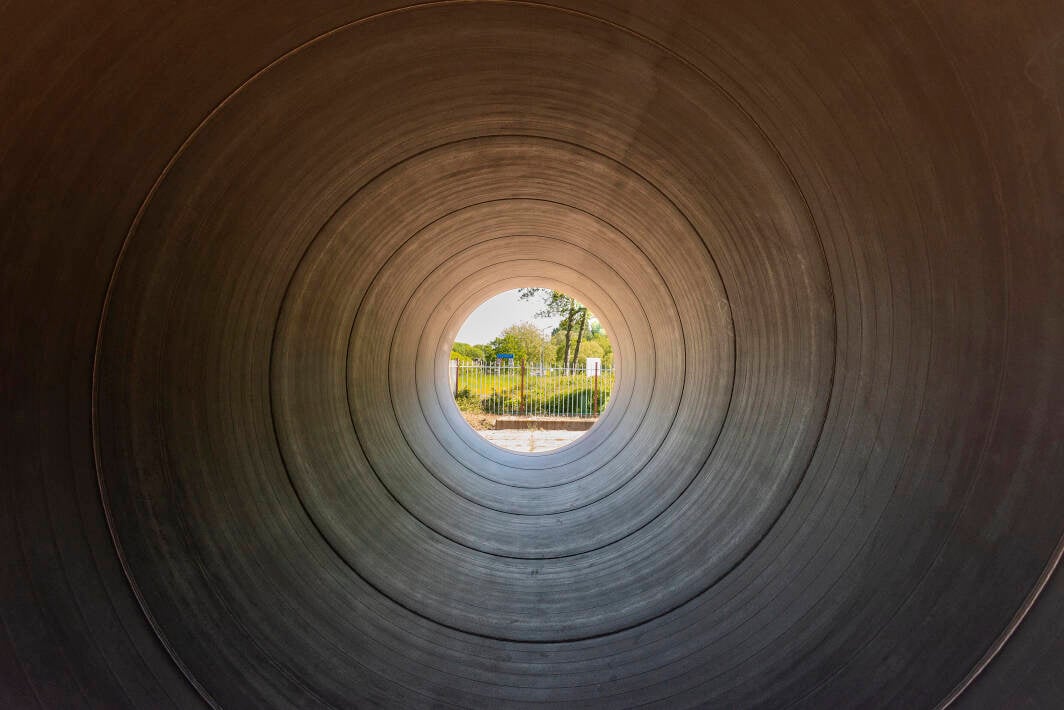
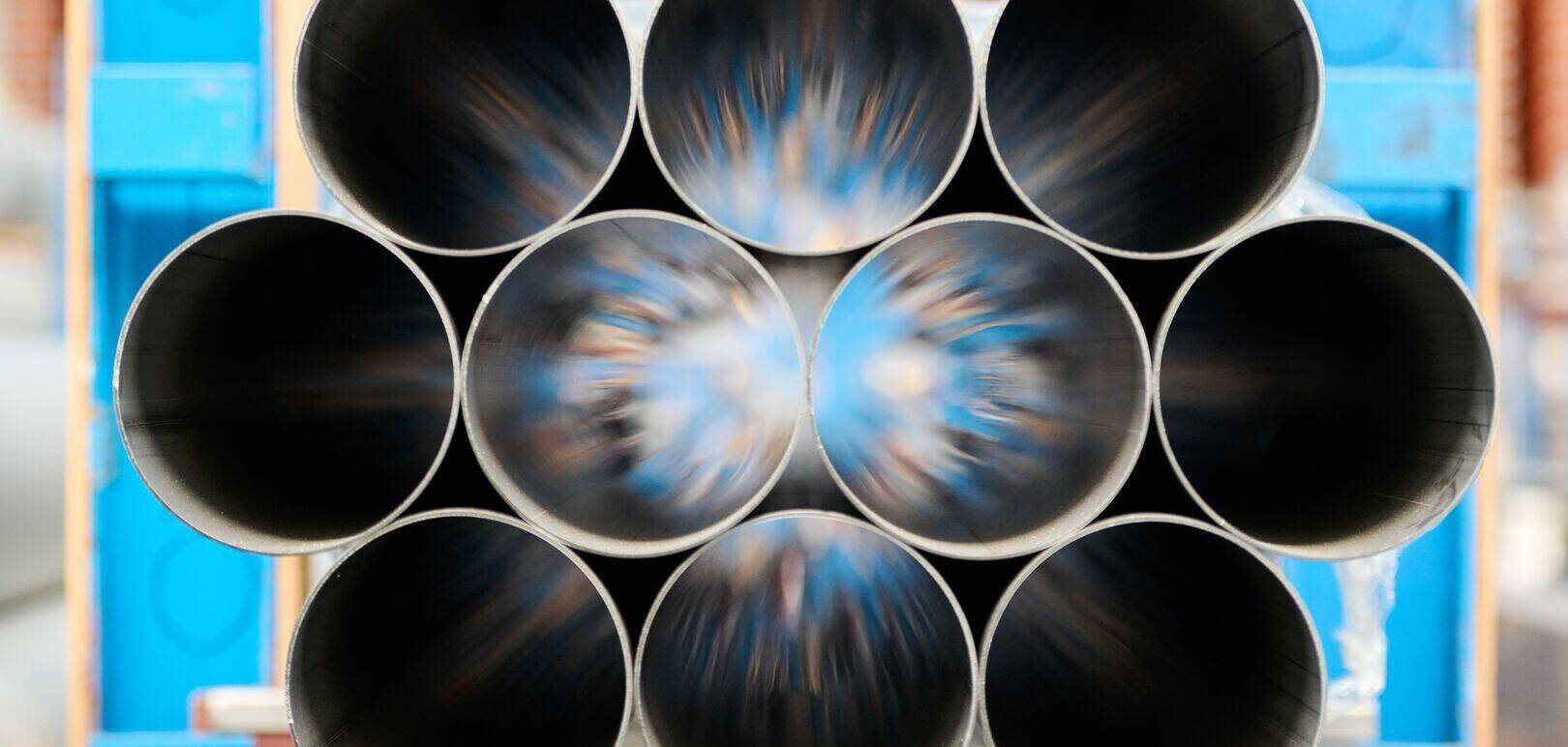
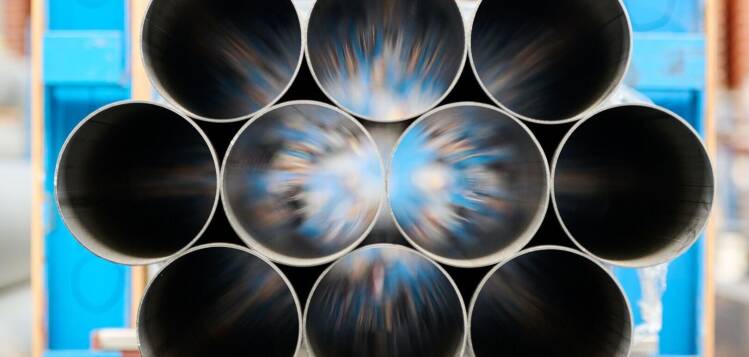
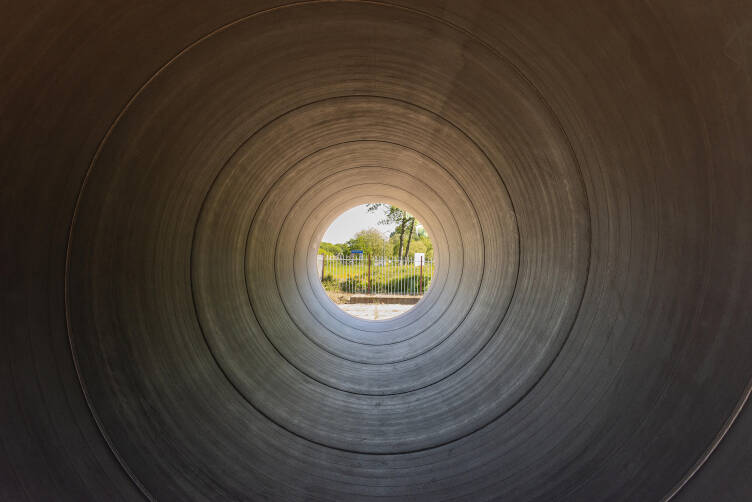
The final scope includes approximately five kilometers of 48-inch longitudinally welded pipes, together with matching bends, flanges and additional smaller-diameter pipes.
Van Leeuwen Belgium has secured an order for the supply of large-diameter steel pipes and components for a major new AI datacenter project in Finland. With demanding technical requirements and a substantial logistical operation, the project highlights our expertise and close cooperation with customers and suppliers.
Being involved from the early stages allowed Van Leeuwen to work closely with the customer as requirements evolved, finding the right technical solutions and coordinating the complete supply package.
With the order now secured, the focus has shifted towards delivery. Transporting five kilometres of 48-inch pipes presents a logistical challenge, as only three pipes can currently be loaded onto a single truck. Our project team is therefore exploring ways to optimise transport efficiency.
Want to learn more about our products and solutions for datacenters? Visit our dedicated datacenter page:
From technical expertise to logistical planning, the project reflects the Belgian team's approach to doing business, as Steve Vandermeulen explains:
“No frills, straightforward and honest, with business built on trust. At the end of the day, we're simply trading pipes.”
– Steve Vandermeulen, Managing Director, Van Leeuwen Belgium
The project started earlier this year with an enquiry for approximately five kilometers of large-diameter pipes. As the project developed, technical specifications changed several times, requiring our Belgian team to continuously adapt the proposed solution.
The final scope includes approximately five kilometers of 48-inch longitudinally welded pipes, together with matching bends, flanges and additional smaller-diameter pipes.
Van Leeuwen Belgium has secured an order for the supply of large-diameter steel pipes and components for a major new AI datacenter project in Finland. With demanding technical requirements and a substantial logistical operation, the project highlights our expertise and close cooperation with customers and suppliers.
Being involved from the early stages allowed Van Leeuwen to work closely with the customer as requirements evolved, finding the right technical solutions and coordinating the complete supply package.
With the order now secured, the focus has shifted towards delivery. Transporting five kilometres of 48-inch pipes presents a logistical challenge, as only three pipes can currently be loaded onto a single truck. Our project team is therefore exploring ways to optimise transport efficiency.
The pipes will be used in a Microsoft datacenter’s cooling infrastructure. With the growing demand for AI computing capacity, reliable energy supply and efficient cooling systems are becoming increasingly important. Finland offers favorable conditions for both, thanks to its cold climate and access to low-carbon electricity, including nuclear power. However, the low temperatures also bring specific technical requirements, with our materials needing to be tested at temperatures as low as -50°C.